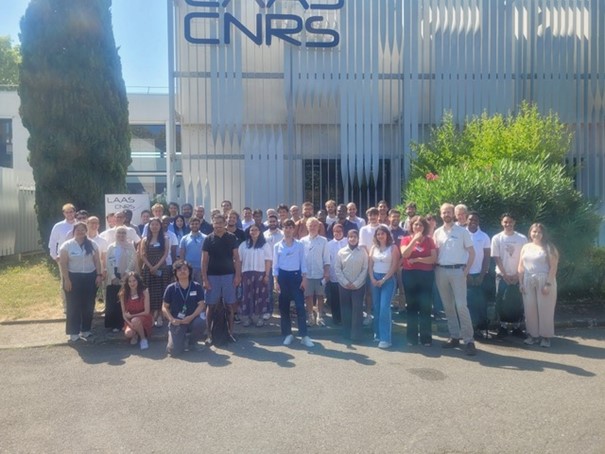
Ecole d’été GEBatt 26
Le LAPLACE (Guillaume Fontès, Fabien Lacressonnière) et le LAAS (Corinne Alonso) ont coorganisé la première école d’été (GEBatt 26) portée par le GT conversion et

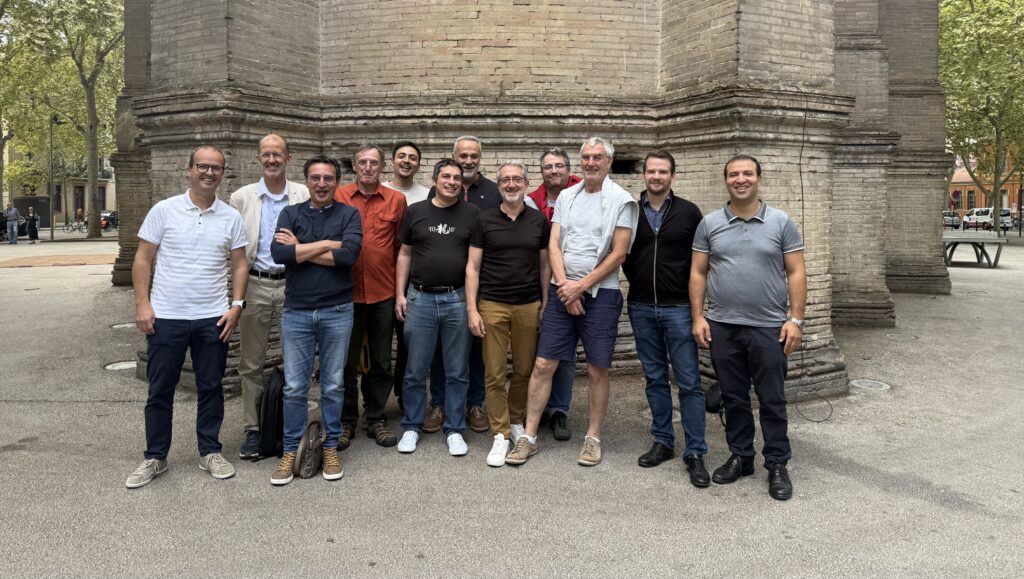
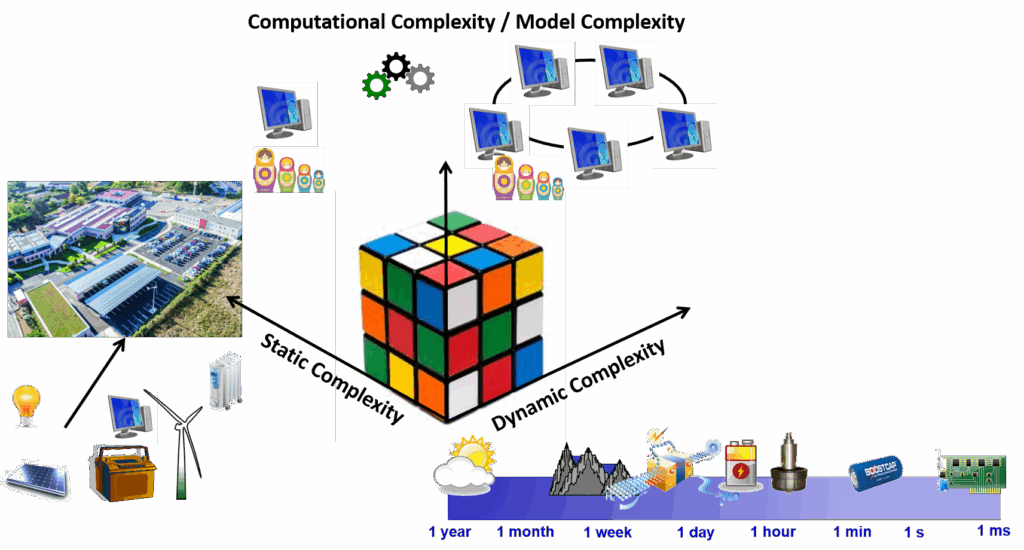
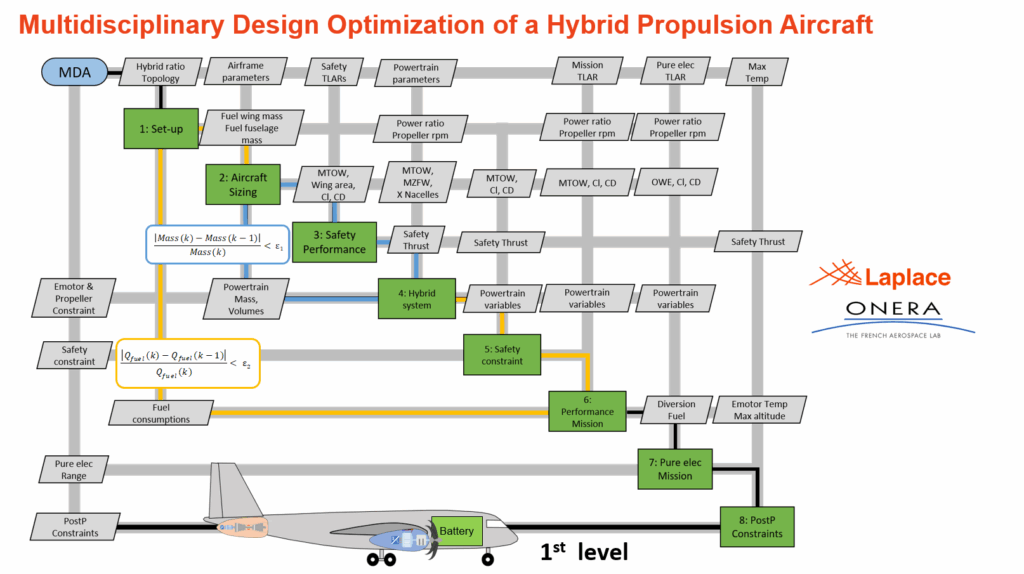

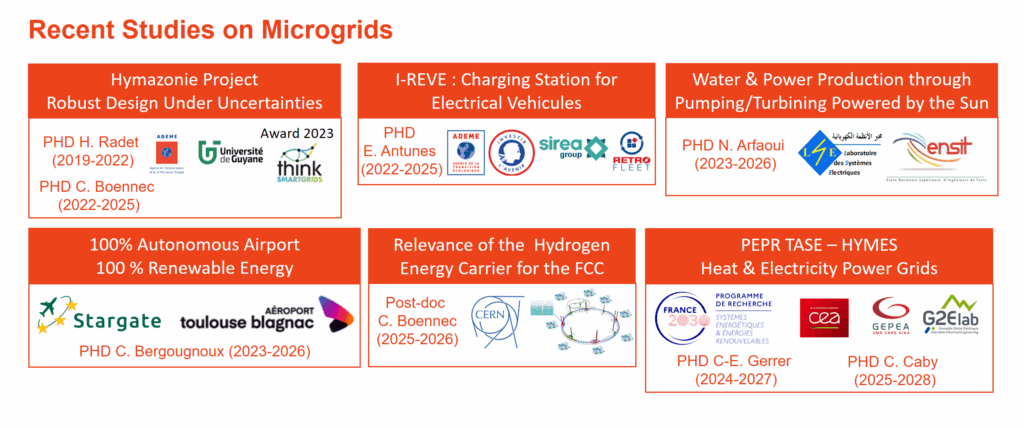
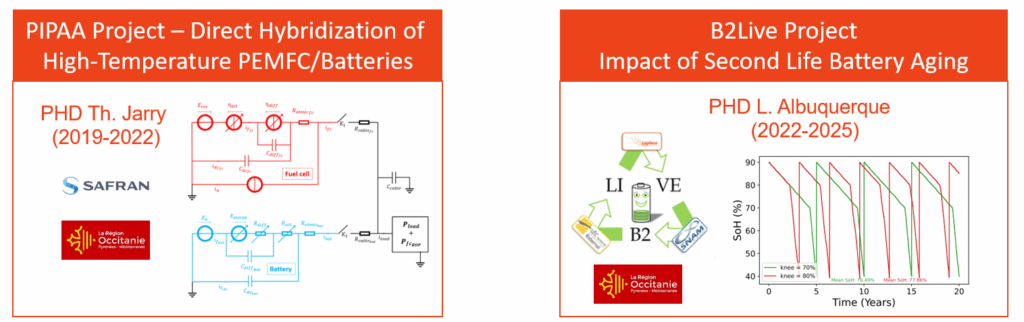
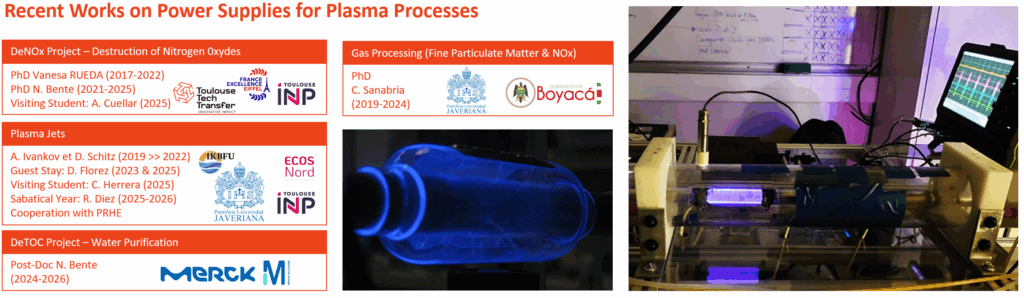



Le LAPLACE (Guillaume Fontès, Fabien Lacressonnière) et le LAAS (Corinne Alonso) ont coorganisé la première école d’été (GEBatt 26) portée par le GT conversion et
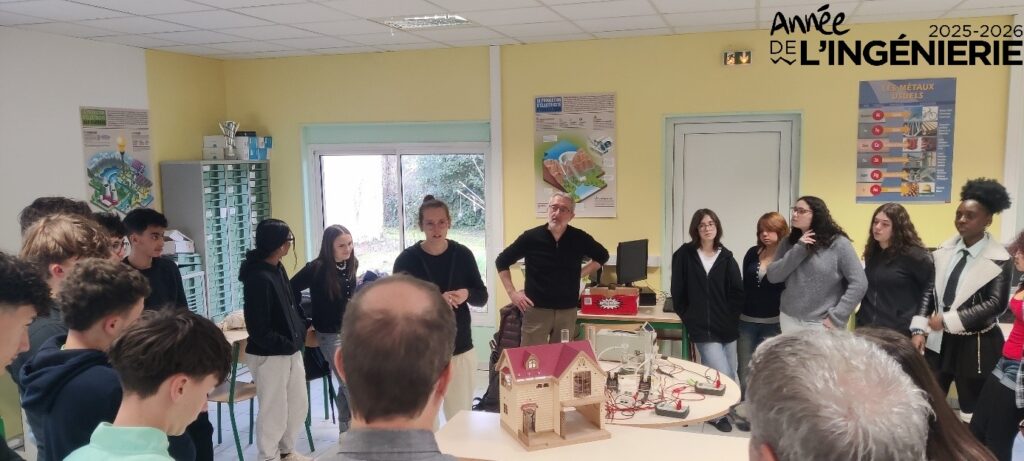
Découvrir les défis énergétiques de demain Dans le cadre de l’Année de l’Ingénierie, des membres du laboratoire LAPLACE (Pauline Kergus, Maelie Heuls, Eric Bru, Fabien
Gautier CAPDEVILLE soutiendra sa thèse le mercredi 22 juillet 2026 à 14 h 00 – Salle des thèses de l’ENSEEIHT , sur le sujet : Etude
Lorenzo Chapel soutiendra sa thèse le jeudi 21 mai 2026 à 13 h 30 en salle des thèses (C002) à l’ENSEEIHT, sur le sujet :
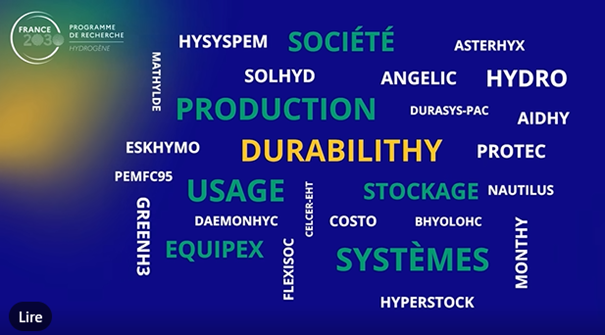
Le projet Equipex+ DURABILITHY, équipe la recherche française de moyens expérimentaux pour étudier la durabilité des piles à combustible et électrolyseurs de fortes puissances (>100kW).
Ugo GINESTET soutiendra sa thèse le Lundi 15 décembre 2025 à 09h – salle des thèses C002 de l’N7, sur le sujet : « Etude
Lucas ALBUQUERQUE soutiendra sa thèse le jeudi 27 novembre 2025 à 10h – Salle C002 (salle des thèses) de l’ENSEEIHT, sur le sujet : Diagnostic
Le 6ème symposium de génie électrique, SGE2025, a eu lieu à Toulouse du 1er au 3 Juillet, au centre de congrès Pierre Baudis. Ce symposium,
La soutenance de thèse de Noé Rivier intitulée : “Commande optimale consommation – vieillissement d’un système pile à combustible multi-stack hybridée par une batterie pour